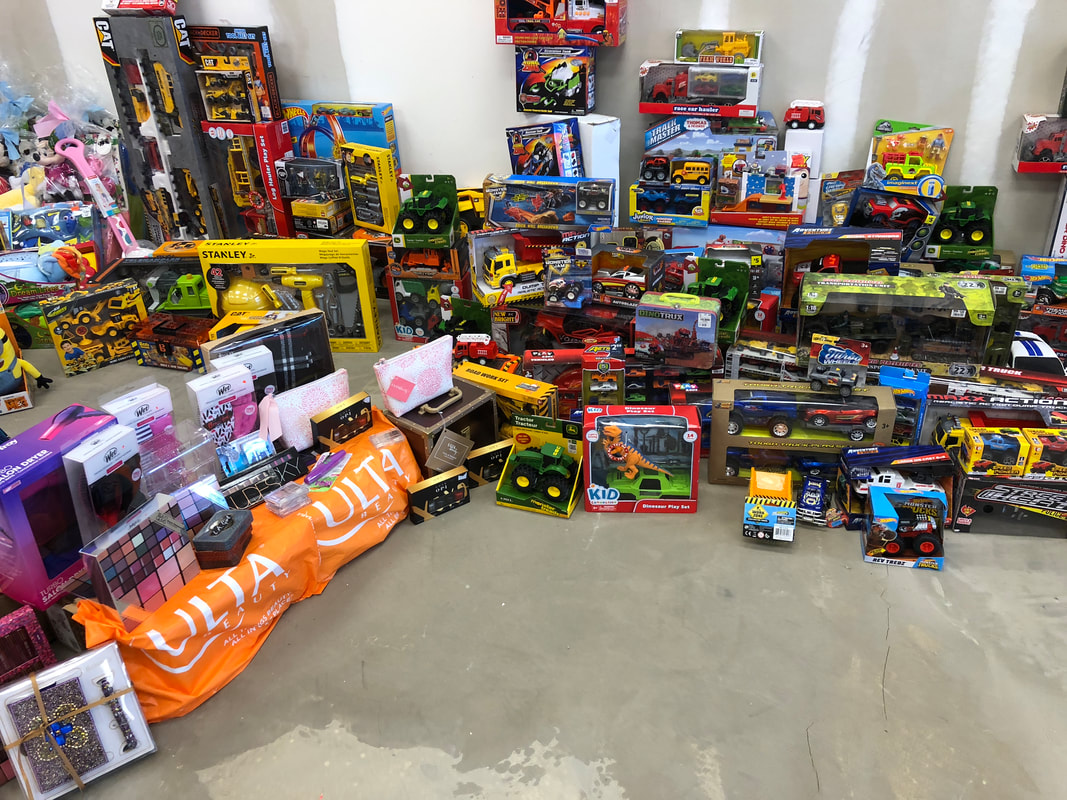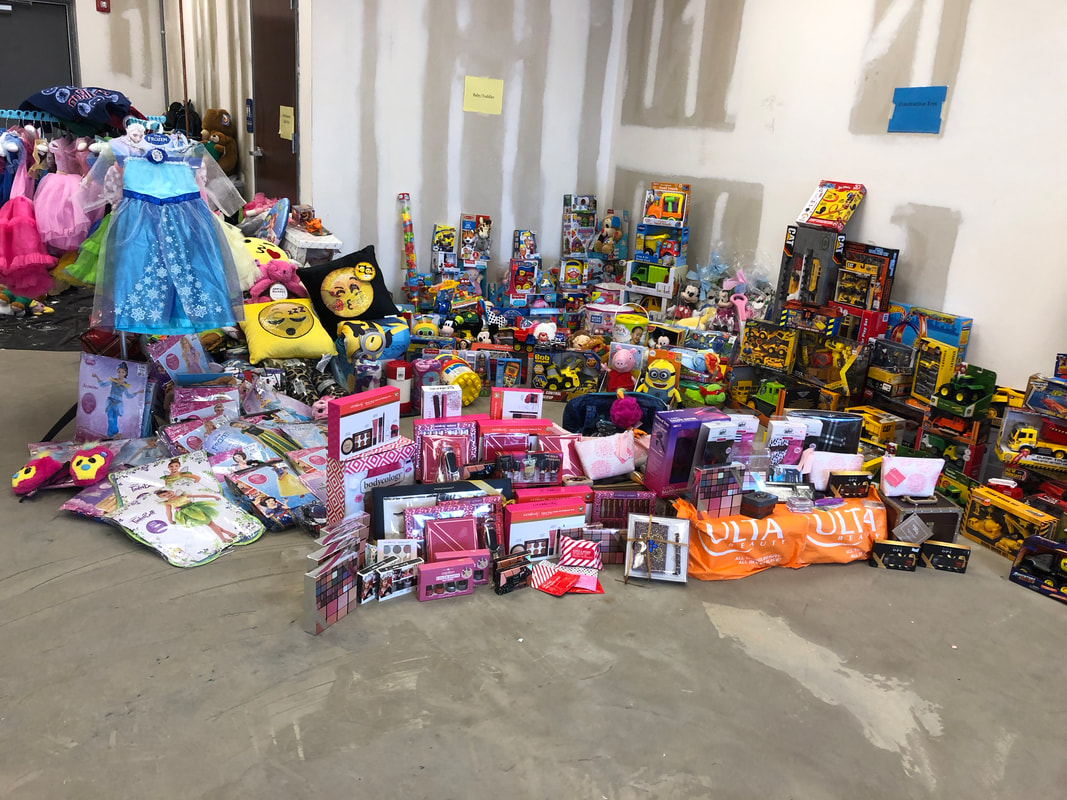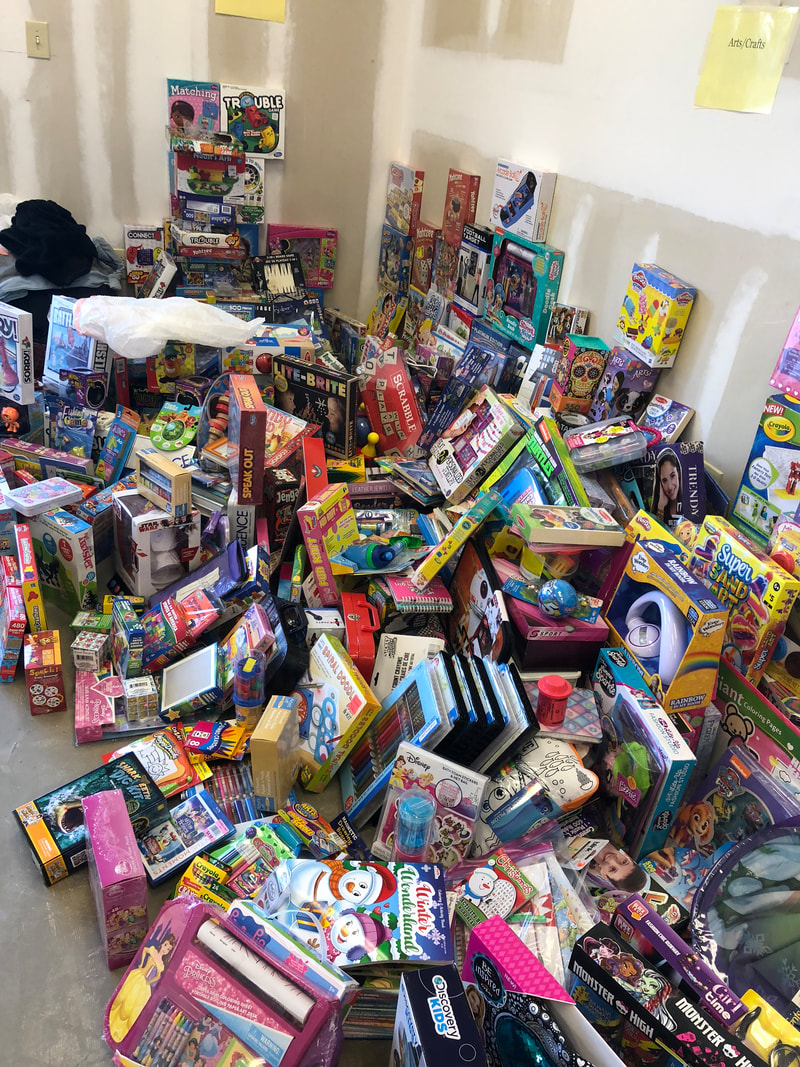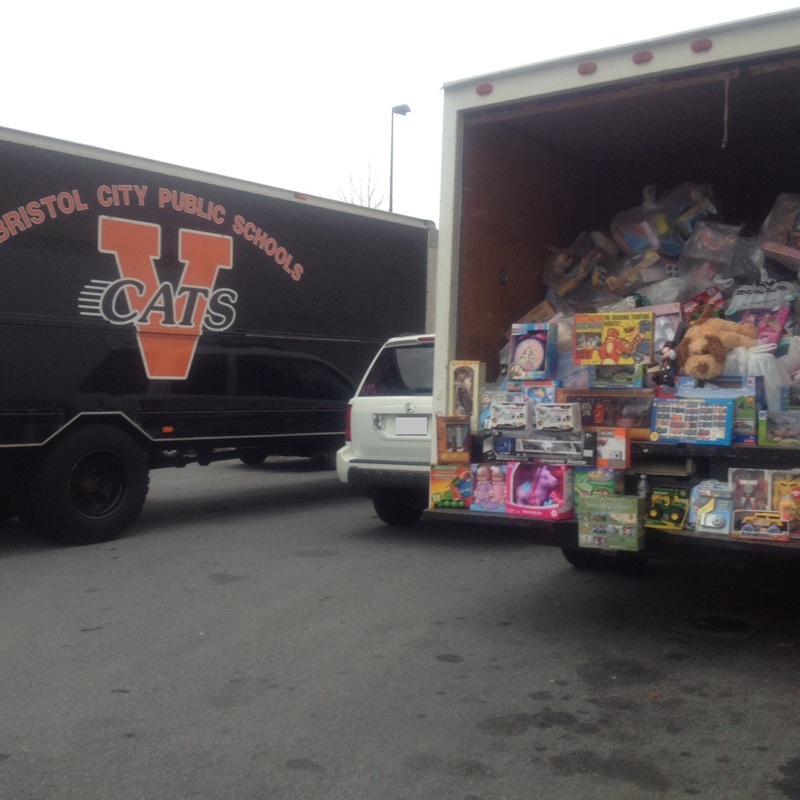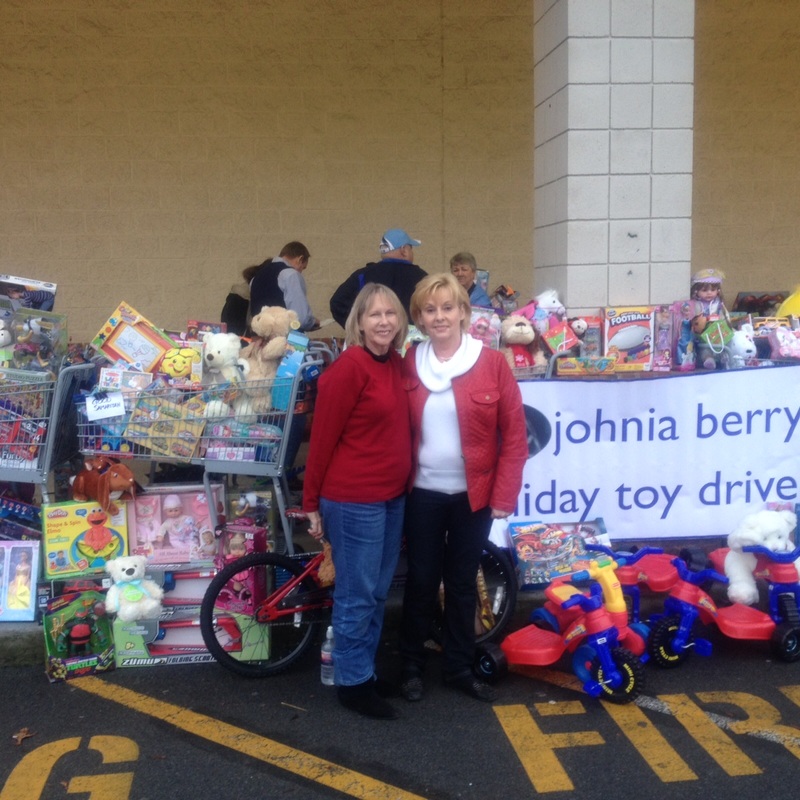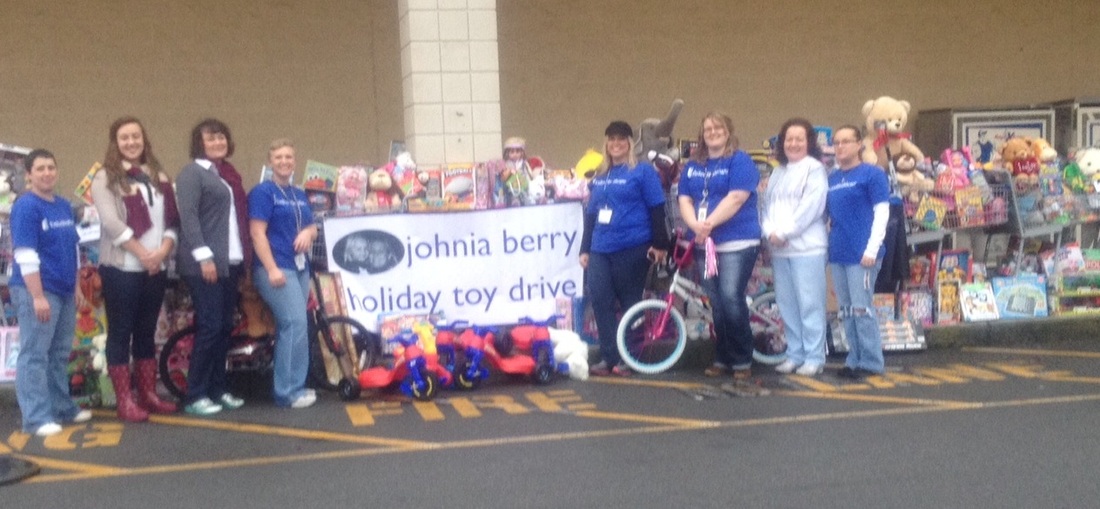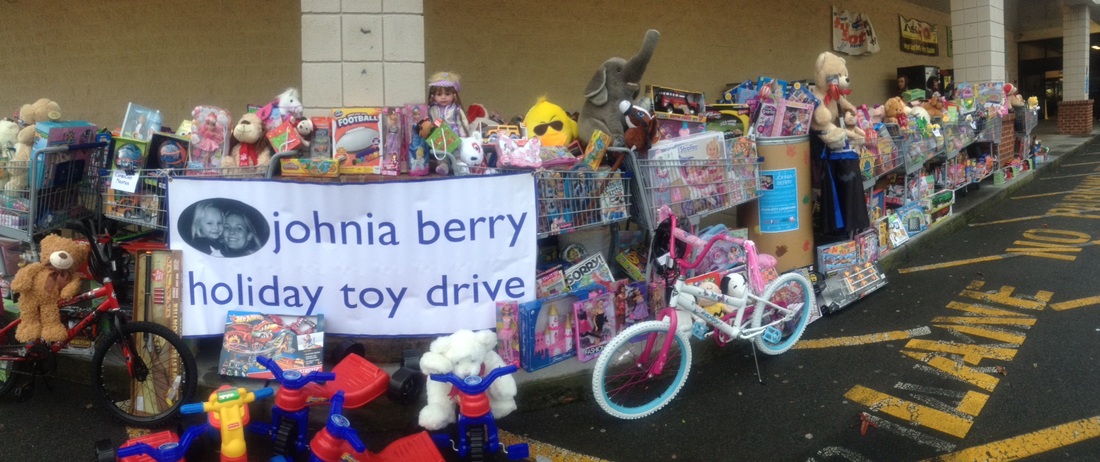
2023 marks the 19th year of the Holiday Toy Drive in honor and memory of Johnia Hope Berry.
We humbly invite you to donate new, unwrapped toys for needy children in and around the East Tennessee, Southwest Virginia areas.
Toys can be dropped off at area Food City locations starting November 1st through December 2nd. All donated toys will be delivered to area children's organizations on December 6.
Online donations can be made securely by donating via our PayPal link below. Your donation will be collected by Hope For Victims, our parent organization. Thank you for making this holiday a little brighter for children in need!
We humbly invite you to donate new, unwrapped toys for needy children in and around the East Tennessee, Southwest Virginia areas.
Toys can be dropped off at area Food City locations starting November 1st through December 2nd. All donated toys will be delivered to area children's organizations on December 6.
Online donations can be made securely by donating via our PayPal link below. Your donation will be collected by Hope For Victims, our parent organization. Thank you for making this holiday a little brighter for children in need!

The Johnia Berry Story; My Journey for Justice for Johnia
We are announcing a book about our journey for justice in the murder of Johnia. (See the book's description below.)
Signed copies of the book are available! After you place your order, a signed copy of the book will be mailed to the address you provide. If the book is a gift, please include the name of the receiver.
As a token of my appreciation, I will insert a lovely bookmark commemorating the day the Johnia Berry Act 2007 was signed.
Any order placed before September 25, 2023, will be mailed on September 23, 2023.
All proceeds will fund HOPE for Victims and will directly benefit East Tennessee State University's Johnia Berry Scholarship.
Thank you for your support!
You can place an order for the signed copy of the book (along with the bookmark gift) at the link directly below:
BUY VIA PAYPAL HERE
****
YOU CAN ALSO BUY UNSIGNED COPIES AT THE LINKS BELOW:
BOOKS2READ
AMAZON
ABOUT THE BOOK
In the early morning hours on December 6, 2004, a killer fled an apartment complex in West Knoxville as a young woman bravely fought for her life. Her strength failed her at the bottom of the stairs of the apartment building after she'd banged on every door, bleeding from over twenty-five stab wounds.
That young woman was my daughter, Johnia Hope Berry, a twenty-one-year-old college student with graduation in sight and a wedding planned. She'd completed college early, and Johnia had looked forward to a career helping children, some for whom she'd wrapped presents the night before she was attacked.
My daughter's fight ended that cold, rainy morning with so many people left to mourn her, but my battle was just beginning.
In the years that followed, my husband and I grieved for our daughter as we fought for legislation to support justice for victims of violent crimes. Finally, one of the laws enacted led us to our daughter's killer.
This is my daughter's story and my journey for justice for Johnia.
Signed copies of the book are available! After you place your order, a signed copy of the book will be mailed to the address you provide. If the book is a gift, please include the name of the receiver.
As a token of my appreciation, I will insert a lovely bookmark commemorating the day the Johnia Berry Act 2007 was signed.
Any order placed before September 25, 2023, will be mailed on September 23, 2023.
All proceeds will fund HOPE for Victims and will directly benefit East Tennessee State University's Johnia Berry Scholarship.
Thank you for your support!
You can place an order for the signed copy of the book (along with the bookmark gift) at the link directly below:
BUY VIA PAYPAL HERE
****
YOU CAN ALSO BUY UNSIGNED COPIES AT THE LINKS BELOW:
BOOKS2READ
AMAZON
ABOUT THE BOOK
In the early morning hours on December 6, 2004, a killer fled an apartment complex in West Knoxville as a young woman bravely fought for her life. Her strength failed her at the bottom of the stairs of the apartment building after she'd banged on every door, bleeding from over twenty-five stab wounds.
That young woman was my daughter, Johnia Hope Berry, a twenty-one-year-old college student with graduation in sight and a wedding planned. She'd completed college early, and Johnia had looked forward to a career helping children, some for whom she'd wrapped presents the night before she was attacked.
My daughter's fight ended that cold, rainy morning with so many people left to mourn her, but my battle was just beginning.
In the years that followed, my husband and I grieved for our daughter as we fought for legislation to support justice for victims of violent crimes. Finally, one of the laws enacted led us to our daughter's killer.
This is my daughter's story and my journey for justice for Johnia.
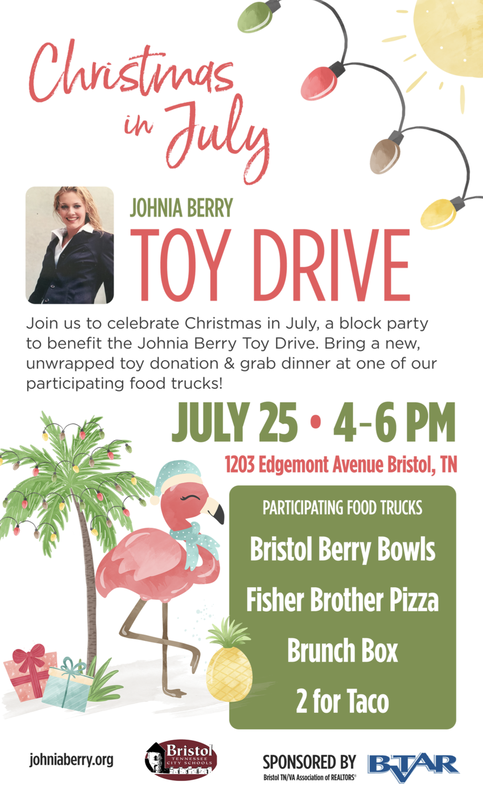
Christmas in July Toy Drive
Donate new, unwrapped toys early this year!! Join us July 25 from 4-6pm at 1203 Edgemont Avenue Bristol, TN where we’ll enjoy some fun in the sun and good food from local food truck vendors: Bristol Berry Bowls, Fisher Brother Pizza, BrunchBox and
2 for Taco! This event is sponsored by BristolTN/VA Association of REALTORS®
2 for Taco! This event is sponsored by BristolTN/VA Association of REALTORS®
18th Annual Johnia Berry Toy Drive 2022
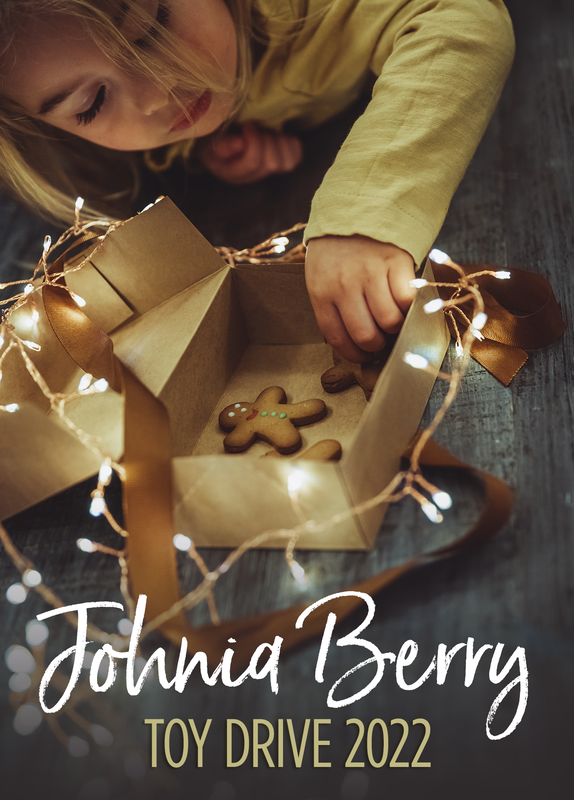
This is our 18th year of doing the Holiday Toy Drive in honor and memory of Johnia Hope Berry.
We humbly invite you to donate new, unwrapped toys for needy children in and around the East Tennessee, Southwest Virginia areas.
Toys can be dropped off at area Food City locations starting November 4 through December 3rd. All donated toys will be delivered to area children's organizations on December 6.
Online donations can be made securely by donating via our PayPal link below. Your donation will be collected by Hope For Victims, our parent organization. Thank you for making this holiday a little brighter for children in need!
Very special thanks goes to Food City, WJHL and Pharoah's Car Club of Northeast Tennessee and Southwest Virginia!!!
Johnia Berry Toy Drive 2021

It's hard to believe that the 2021 Christmas Season is already here! It's a time for joy and celebration, but it's also a time of great need for many families around the area.
We would like to invite you to donate new, unwrapped toys for needy children in and around the East Tennessee, Southwest Virginia areas.
Toys can be dropped off at area Food City locations starting November 6 through December 3rd.
All donated toys will be delivered to area children's organizations on December 6.
Online donations can be made securely by donating via our PayPal link below.
Your donation will be collected by Hope For Victims, our parent organization. Thank you for making this holiday a little brighter for children in need!
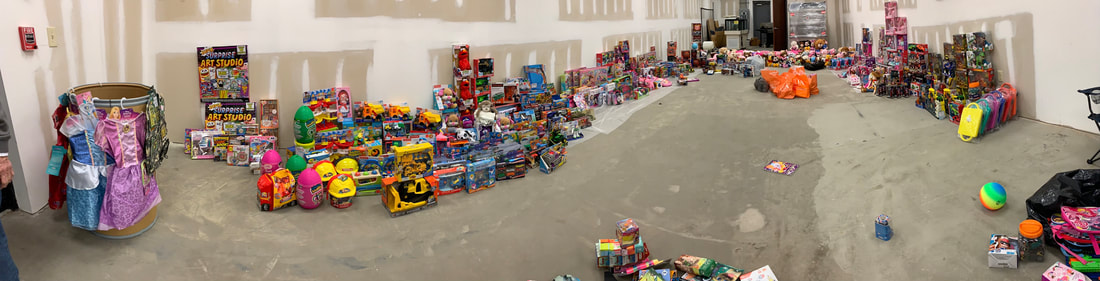
2020 Toy Drive Update
We extend a heartfelt thanks to so many of you out there for supporting this year's virtual toy drive! With your generosity, we raised nearly $6,000 in donations that went toward purchasing new toys for so many of the needy children in the area! We can't tell you what a wonderful feeling it is to share in Johnia's passion to bring joy to a child's life! And you've helped us do just that! Again, thanks to each and every one of you who helped make this year's toy drive a success. And, as always, we couldn't have done it without the amazing support of Food City and WJHL News Channel 11! God bless you all!
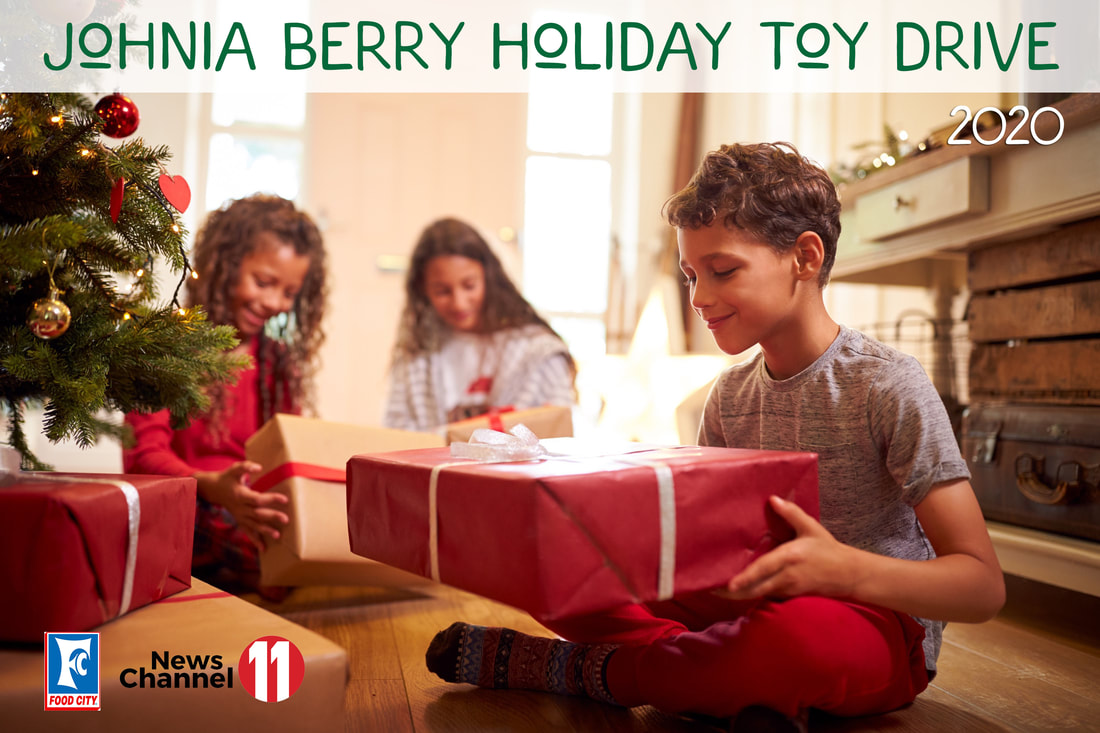
The COVID-19 pandemic has made 2020 a year of unique challenges, but we have decided the toy drive would be as important as ever this year! With that in mind, we have decided to move forward with a virtual version of the Johnia Berry Toy Drive for its 16th year.
We believe this virtual option will provide us our best chance of keeping the toy drive as safe as possible for everyone involved, while still allowing us to supply much-needed toys to area organizations as we've done for the last fifteen years. These donations will be used to purchase and ship toys to the many needy children across East Tennessee and Southwest Virginia!
Online donations can be made securely by donating via our PayPal link above/below. Your donation will be collected by Hope For Victims, our parent organization. Thank you for making this holiday a little brighter for children in need!
We believe this virtual option will provide us our best chance of keeping the toy drive as safe as possible for everyone involved, while still allowing us to supply much-needed toys to area organizations as we've done for the last fifteen years. These donations will be used to purchase and ship toys to the many needy children across East Tennessee and Southwest Virginia!
Online donations can be made securely by donating via our PayPal link above/below. Your donation will be collected by Hope For Victims, our parent organization. Thank you for making this holiday a little brighter for children in need!
Toy Drive 2019
2019's Johnia Berry Holiday Toy Drive was its 15th and one of its most successful thanks to you! We collected and donated thousands of toys to local children in need across East Tennessee and Southwest Virginia! Thanks to everyone who donated and volunteered to make this year's Toy Drive a win for everyone!